
Carotenoids that capture light and transform it into energy in the oceans
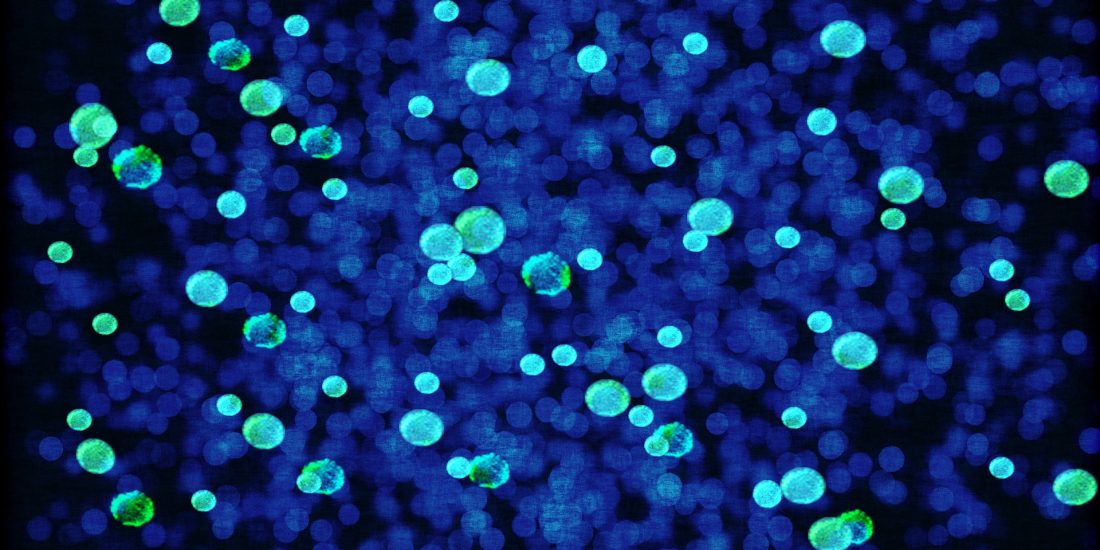
Three researchers from the University of Huelva (Rosa León, Patricia Gómez-Villegas and Ana Molina-Márquez) are part of the international team that unveils the role of carotenoids as antennae in the capture of light and its transformation into energy in the oceans and continental waters.
The study, published in the prestigious journal Nature, confirms that retinal proteins, type I rhodopsins (related to type II rhodopsins, responsible for vision in animals) are present in more than half of the non-photosynthetic bacteria and archaea in aquatic environments and that almost half of them may have a second chromophore group, which captures light and transmits it to the retinal. These rhodopsins act as proton or ion pumps, converting the sun’s energy into chemical energy and contributing to the bacteria’s metabolism. Researchers estimate that, in aquatic environments, this energy uptake by rhodopsin pumps may exceed that carried out in photosynthesis. The participation of hydroxylated carotenoids, such as lutein and zeaxanthin, which are very abundant in nature, increases the range of radiation that rhodopsin pumps can capture and provides evidence of the importance that these pigment-antennas may play in rhodopsin-based phototropy and energy fluxes in oceanic and inland waters.
Until recently, the main pigments involved in the uptake and transformation of solar energy were considered to be chlorophylls, through photosynthesis, but the contribution of retinal, assisted in many cases by carotenoids, in aquatic heterotrophic organisms may be even greater than that of photosynthesis, revealing the importance of photoheterotrophy (metabolism based on the uptake of light and assimilation of organic carbon) and the need to further study this type of metabolism, as yet little explored, which may change the paradigms of matter and energy flow in nature and be of great importance in marine ecology.
The essential chromophore group of rhodopsins is retinal. To date, only two or three cases have been found of bacteria in which a second chromophore of an isoprenoid nature contributes to the uptake of light and its transfer to the retinal. Specifically, the ketocaroteoids salinixanthin and echinenone in Salinibacter and the cyanobacterium Gloeobacter violaceus, respectively. Salinixanthin, which acts as an antenna or secondary chromophore in xanthorhodopsin, is the most studied; it was discovered in the Marismas de Santa Pola, thanks to researchers from the University of Alicante (Josefa Antón, Science 2005). It is now revealed that the presence of this second chromophore group is not something exceptional or exclusive to extreme environments, but could be a very generalised fact, involving very abundant hydroxylated carotenoids.
You can read the full article here.
Artificial Inteligence for monitoring bioprocesses
The CPV of the Future project has evaluated the use of artificial intelligence (AI) as a complement to advanced statistics and multivariate analysis to monitor ongoing bioprocesses. Professor Francisco Valero, leader of the Bioprocess Engineering and Applied Biocatalysis group (ENG4BIO) of the UAB Department of Chemical, Biological and Environmental Engineering, and Toni Manzano, from the company Aizon, specialized in the application of AI solutions in the pharmaceutical industry, summarize the main conclusions of the study.
CPV is the third stage of Process Validation, which is a requirement in the pharmaceutical industry during drug manufacturing. Since Stage 3 is typically a long manufacturing phase, extensive data is accumulated, trended, and analyzed during this stage. Thus, CPV highly recommends process automation, Process Analytical Technologies (PAT) and a deep knowledge of the manufacturing process and drug product in order to interact with the process, avoiding deviations and ensuring the expected product performance and product quality. Continuous variability is part of the reality around manufacturing biological operations and the established conditions (EC), critical quality attributes (CQA), and critical process parameters (CPP) are not enough to describe a real and complete picture of the bioprocess. Statistics and Multivariate Analysis can be complemented with artificial intelligence (AI) to evaluate the on-going process. Under this context, artificial intelligence allows predicting, classifying, recognizing and recommending improvements to the process, which leads to enhanced product quality.
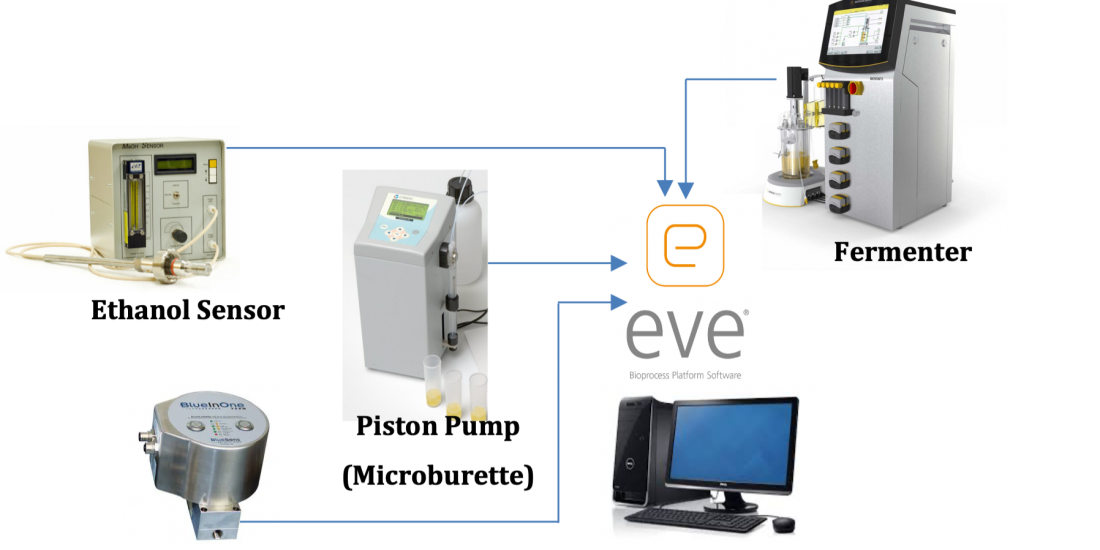
The CPV of the Future project was designed to obtain deep knowledge of the production of recombinant proteins under hypoxic conditions in the cell factory Komogataella phaffii, The applied methodology, the results and conclusions should be generalized across any biomanufacturing operation. Therefore, the identified AI opportunities to mitigate challenges introduced by uncertainty or to augment a continuous multivariate control in real time, provides an added value to the current Statistical Process Control. A set of fed-batches were produced to generate the raw data used to train AI Models which finally controlled the fed-batch process by giving real time feedback to the bioreactor based on the on-going acquired during the process, maintaining the respiratory quotient (RQ) on the set point acting on agitation rate (see figure). The first results obtained has been very promising considering the inherent variability of biological bioprocesses.

The Parenteral Drug Association (PDA) coordinated the CPV of the Future project and the PQRI (USA) and the Science and Innovation Ministry (Spain) partially funded the project. The project was designed to establish a standard procedure for continued process verification (CPV) in bioprocesses applying Artificial Intelligence (AI), Internet of Things (IoT) and cloud technologies as valid mechanisms for the process control in drug manufacturing, The production of recombinant proteins under hypoxic conditions in the cell factory K. phaffii was selected as case study. The group of Bioprocess Engineering and Applied Biocatalisis (ENG4BIO) of the Department of Chemical, Biological and Environmental Engineering of the UAB participates in the project providing the biotech SME, the set of experiments and the lab equipment for batch and fed-batch production. Infors and Bluesense provided the software EVE and the O2 and CO2 gas analyzers sensors connected to the bioreactor and Aizon brought the AI SME, IoT, cloud and AI tools for process control. The rest of the PDA team supported the project from a pharmaceutical perspective.
SEBiot’s Board of Directors renewed
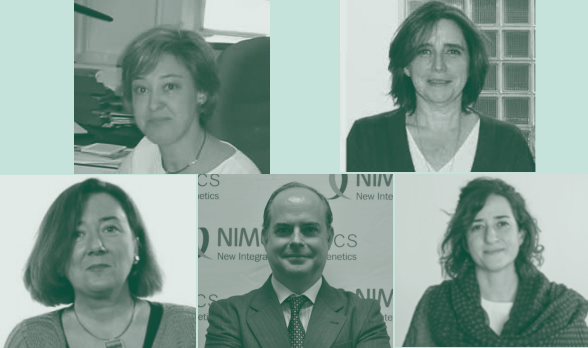
In the Extraordinary Assembly of the Spanish Society of Biotechnology (SEBiot) held yesterday afternoon, the presidency and vice-presidency of the Board of Directors of the entity were renewed, as well as two members of the same. María José Hernáiz Gómez-Degano (UCM), who had held the vice presidency since November 2021, is the new president of SEBiot, replacing Fernando Peláez, who is leaving the Board of Directors after four years in the presidency, although he will continue to collaborate in activities , such as the preparation of the Biotec 2023 congress.
María Auxiliadora Prieto, head of the Polymer Biotechnology Laboratory at the CIB-CSIC, joins the Board as the new vice president of the entity. Two positions of Board members have also been renewed. Leaving the Board of Directors are Ion Arocena, general director of AseBio —patron member of SEBiot— and Federico Morán, head of the UCM Biophysics Laboratory. They are replaced by Enrique Samper, founder and CEO of the biotechnological company NIMGenetics, and Fátima Al-Shahrour, who leads the Translational Bioinformatics Unit at the CNIO.
Likewise, María Asunción Longo González, a professor in the Department of Chemical Engineering at the University of Vigo, joins the Board of Directors as elected secretary, with the aim of collaborating with the current secretary, Francisco Valero, whose functions she will assume within a year, when Professor Valero’s term expires.
Prior to voting on the new positions, the Ordinary General Assembly of Members was held in which, through the report of the presidency, a review of the activities carried out during 2022 was made.
BIOTEC 2023 to be held in July in Madrid

The XVIII Congress of the Spanish Society of Biotechnology, BIOTEC 2023, will be held at the Faculty of Pharmacy of the Universidad Complutense de Madrid, from July 17 to 20, 2023. After these last years marked by the COVID pandemic, it is a pleasure to be able to celebrate this new edition of BIOTEC in face-to-face format.
The national congresses of biotechnology (BIOTEC), organized by SEBiot since 1986, provide a great opportunity for researchers and professionals in the biotechnology sector to establish contacts and collaborations with other colleagues, as well as with other agents involved in this field, from private companies to public administrations and other organizations at national level. The scientific program of the congress is focused on offering updates on a wide range of topics of interest by prestigious specialists, as well as giving space to young researchers to present their work to the scientific community.
The BIOTEC 2023 program will include sessions on food, plant, industrial, environmental and microbial biotechnology and on biotechnology and health. It will also have poster sessions on the 18th and 19th, and will host, on Wednesday the 19th in the afternoon, the celebration of the annual assembly of SEBiot members.
In the conference website you can find all the information about the BIOTEC 2023 program —regularly updated as speakers are confirmed—, as well as the instructions for sending communications and participating as a speaker. Keep posted on our website and our social networks.
Event website: biotec2023.com
Biotechnology on the radio
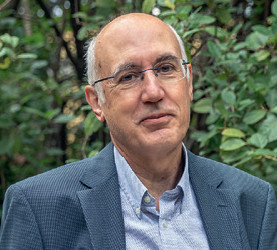
On October 26, our president, Dr. Fernando Peláez, director of the Biotechnology Programmme at the Spanish National Cancer Research Center (CNIO), began a regular collaboration with the programme Longitud de Onda, presented by Yolanda Criado and Fernando Blázquez at RTVE Radio Clásica. The objective of this space, which is broadcast monthly, on the fourth Wednesday of each month, at 11 am, is to talk about biotechnology for the general public, also seeking complementarity with music.
The two programmes carried out so far have been dedicated to beer, which like other common foods and drinks is a biotechnological product, although many people do not know it, and to vaccines. Below we leave you the podcasts of both programmes (in Spanish) and we invite you to listen to them, and to follow the programme monthly.
October 26, 2022 >> Biotecnología en la cerveza
November 23, 2022 >> Si las vacunas hubieran existido antes[:]
IBEC selects researchers for projects of biotechnology applied to health

The Institute for Bioengineering of Catalonia (IBEC) has opened a selection process to recruit specialised research personnel to carry out 16 collaborative projects within the Complementary Plan for Biotechnology Applied to Health, which will be coordinated by several Catalan research centres.
IBEC, which is the coordinator of the Plan’s National Scientific Committee, will lead one of the projects and another four will be led by the Center for Genomic Regulation (CRG) and the Institute for Research in Biomedicine of Barcelona (IRB Barcelona), two biomedical research centers that , like IBEC, are part of the Barcelona Institute of Science and Technology (BIST). The rest of the projects will be led by the Barcelona Supercomputing Center (BSC-CNC), the AIDS Research Institute (IRSICAixa), the Research Institute of the Hospital de la Santa Creu i Sant Pau (HSCSP), the Biomedical Research Institute August Pi i Sunyer (IDIBAPS), the Vall d’Hebron Research Institute (VHIR), the Bellvitge Biomedical Research Institute (IDIBELL), the Lleida Biomedical Research Institute (IRB Lleida), the Chemical Institute of Sarrià (IQS) with Ramon Llull University (URL), the Sant Joan de Déu Hospital Research Foundation (HSJD) and the University of Barcelona (UB).
Research entities from the Basque Country, Galicia, Andalusia and Aragon collaborate in these projects. These four autonomous communities participate in the Complementary Plan for Biotechnology applied to Health together with Catalonia and also Extremadura and Castilla-La Mancha.
The Plan —whose general objective is the development of tools for diagnosis, prognosis and advanced or targeted therapies in personalized medicine— is financed jointly by the Spanish Government and the autonomous communities, through Next Generation EU funds, and has a budget of more than 37 million euros. Specifically, these 16 collaborative projects will have a total endowment of 3.5 million euros.
With regard to this call for selection of research personnel (which will be open until December 22), IBEC is going to allocate 1.3 million euros for 20 research contracts. You can find more information about the open position at IBEC website.
A biotechnologist selected as a future astronaut

Today we echo the great news for the scientific world, especially in the field of biotechnology, as it is the selection of Sara García Alonso as a future astronaut. She studied the bachelor’s and master’s degrees in Biotechnology at the University of León, where she received two awards for her academic excellence.
From the Spanish Society of Biotechnology (SEBiot) we cannot feel more proud to see selected for such an important challenge a scientist in our field, trained in a university closely linked to the origins of SEBiot.
SEBiot was created in the 80’s, in the framework of BIOTECNOLOGÍA 86m the first nacional biotech congress, organized by Juan Francisco Martín, born in León, president of SEBiot from 1989 to 1994, and now honorary member of our organisation.
Roche Foundation announces the winners of their grants for training in Data Science in Personalized Precision Medicine
The Roche Institute Foundation announced today the names of the winners of the IV Call for grants for training in the area of Data Science in Personalized Precision Medicine, in the framework of the inauguration of the Master’s Degree in Bioinformatics applied to Personalized Medicine and Health, a title of the National School of Health of the Carlos III Health Institute (ISCIII). This call reaffirms the Foundation’s commitment to training professionals in areas that will be key in the medicine of the future.
David Rubio, biologist and research staff in training (PhD) at NIMGenetics-Institute of Health Research of the Jiménez Díaz Foundation; Marcos Rubio, doctor in Molecular Biosciences and postdoctoral researcher who has worked at the Autonomous University of Madrid, at the National Center for Biotechnology (CNB-CSIC) and at the Research Institute of the Hospital 12 de Octubre; Pablo González, a graduate in Biology from the Complutense University of Madrid, and Sara Muñoz, a biologist specializing in genetics, who has worked as a Research Assistant at the Severo Ochoa Molecular Biology Center, UAM – CSIC; have been the winners of this edition. All of them have agreed to highlight the opportunity that this scholarship offers them for their professional growth; in addition to representing a further step towards the implementation of Personalized Precision Medicine in the National Health System.
SEBiot joins the Agreement on Transparency in Animal Experimentation
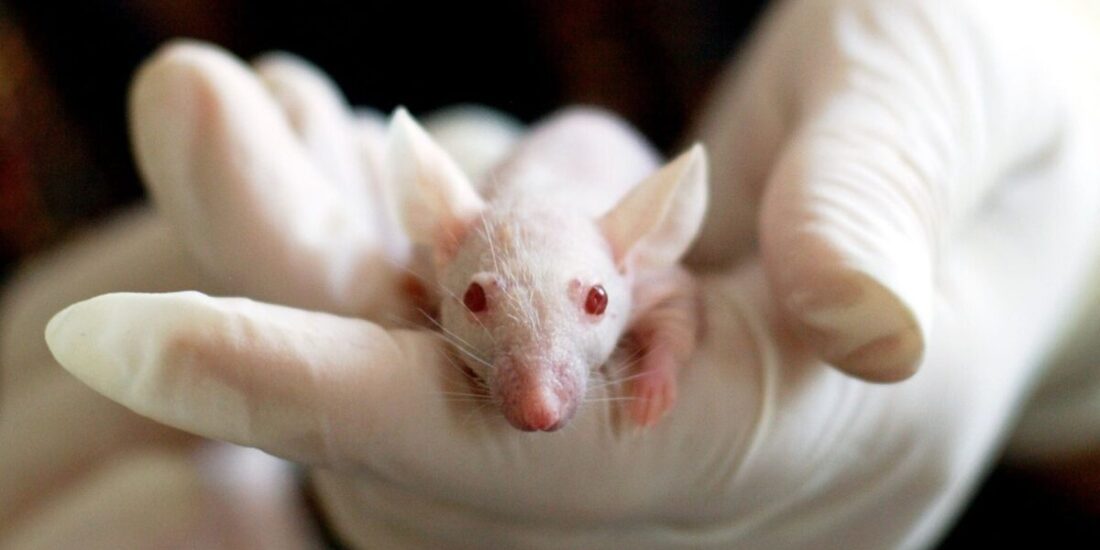
The Spanish Society of Biotechnology (SEBiot) has joined the Agreement on Transparency in Animal Experimentation, promoted by the Confederation of Scientific Societies of Spain (COSCE), with the collaboration of the European Association for Animal Research (EARA), and launched on September 20, 2016.
From SEBiot, we are aware that animal research plays a fundamental role in the knowledge of the biological mechanisms involved in diseases and in the development of medical treatments. Without the use of animals in biomedical research, we would not have most of the medicines, antibiotics, vaccines and surgical techniques that are used in human and veterinary medicine today.
Part of the scientific work carried out by SEBiot members, which contributes to the improvement of people’s lives, requires the use of experimental animals. The welfare of experimental animals is a fundamental issue for SEBiot, as it is the strict respect and compliance with current legislation on the protection of animals used in experimentation and other scientific purposes, including teaching (RD 53/103). SEBiot promotes that the research carried out by its members is carried out under the highest standards of animal welfare, not only from the point of moral responsibility towards them, but also because quality science could not be achieved without animal welfare.
SEBiot defends that animal experimentation must comply with legal standards and be reviewed by an ethical animal experimentation committee, which will have to promote the use of alternative methods, the reduction of the number of animals used, and the refinement of experimental procedures. No research project that requires the use of animals must begin without the mandatory ethical evaluation and final authorization by the respective competent authority.
SEBiot is willing to collaborate in any action that can contribute to improving the knowledge of its partners about the use of experimental animals, which help to ensure that both the staff caring for the animals and the researchers involved in experimentation have the necessary training.
On the other hand, SEBiot fully supports transparency initiatives in animal experimentation aimed at fostering a greater understanding of these issues on the part of society.
Agreement to create Fiambiot

The Biotechnology societies of Mexico, Portugal, Brazil and Spain subscribed an agreement for the promotion and development of Biotechnology in their countries. The agreement, which has been signed within the framework of the Bioiberoamérica 2016 congress in Salamanca, will promote the exchange of experiences and joint activities.
Read the Fiambiot Agreement.